
The Butcher’s Block

Why Butcher’s Stands Above the Rest
April 28, 2026
Not all bone broths are created equal — here's what actually sets Butcher's apart from every other option on the shelf.
Consumerism is at its peak right now, especially in the wellness space. Processed, “better-for-you” options are taking over the shelves; every product has a myriad of different options-each claiming to be the best, leaving consumers are overwhelmed.
Bone broth is the perfect example. What was once something that people made at home, slowly simmering for hours, is now lining the shelves with different brands, packaging, forms, and claims. And that’s why people keep asking “which bone broth is best?”, “is store bought bone broth good?”, “what makes a bone broth good quality?”.
While they may all look the same, they are not all made the same. Bone broth is a product where how it’s made matters just as much as what it’s made with. Traditionally, bone broth has been made the same way for centuries, so why change that?
What Makes a High-Quality Bone Broth
People have been talking about the benefits of bone broth for centuries. But, for centuries, bone broth was always made the same way. Butcher’s Bone Broth may be a 21st century product, but its roots go way back.
Slow simmer, the “old way”
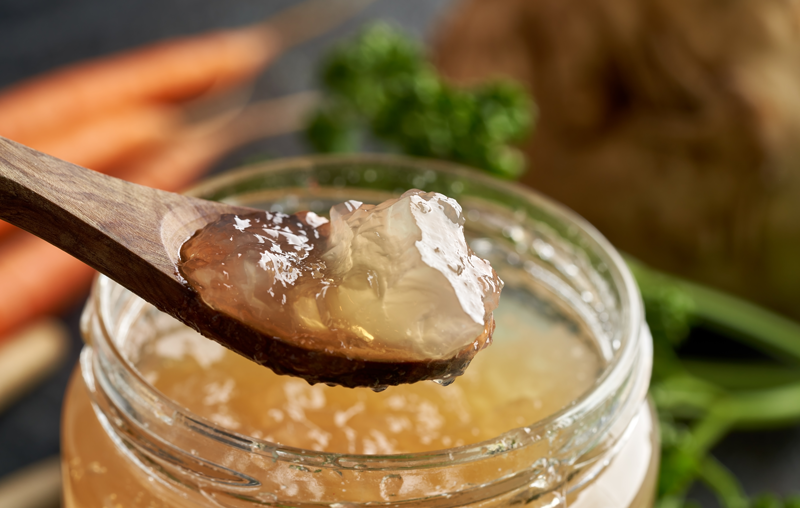
Traditional bone broth, like Butcher’s, is made by using high quality ingredients, and simmering them slowly for 18-48 hours. This low and slow process allows collagen to extract and break down into gelatin. That’s what gives a good bone broth its signature jiggle (when refrigerated).
Clean, minimal ingredients
A good, high-quality bone broth keeps it simple. Fewer ingredients, no unnecessary additives or preservatives, and no flavor enhancers make it simple, easy to digest, and even easier to use. Bonus points for broths like Butcher’s that are allium free and free of the top nine major allergens.
Protein content
Bone broth is known for its higher protein content, but not all protein is equal. Protein in bone broth primarily comes from collagen (and various other amino acids). But the nutrition labels don’t always reflect this. For example, Butcher’s Bone Broth has 11 grams of protein per serving, derived from the collagen. But because collagen is not considered a complete protein source, the daily value percentage on the nutrition label is labeled as 0%. This does not mean there is no protein or nutritional value, it just means it does not contain all the essential amino acids needed to be considered a complete protein.
Limitations of Conventional Bone Broths
As the demand in the category of bone broth has increased, companies have created products that prioritize convenience and shelf stability rather than traditional preparation and nutritional value.
High-heat processing
Many shelf stable options use a higher heat processing method to extend the shelf life of the product. And while it is effective for preservation, it alters the structure of the proteins inside leading to a thinner consistency and lower nutritional content.
Protein content
Some shelf stable bone broth products contain lower protein content due to the high heat processing and faster cooking times. Alternatively, some companies may adulterate their products with added protein rather than extracting natural collagen from the bones and meat.
Additives and preservatives
Traditionally, the ingredients of bone broth are all perishable, meat, bones, vegetables, etc.… which is why traditionally made bone broth is refrigerated. To put it simply, chicken needs to be refrigerated, “chicken product” does not. Shelf-stable bone broths often contain additives and preservatives in order to increase shelf life and enhance the flavor. Not only do these add to the ingredient list, but they can also make it more difficult on the gut to digest.
Lack of transparency
Not all brands communicate exactly how their bone broth is made. This along with hidden additives in the ingredient list (think random ingredients you wouldn’t expect in a simple bone broth), make it harder to choose high quality products.
What Sets Butcher’s Bone Broth Apart
Butcher’s stands out because they still make it the “old way”. By using a low and slow simmering process, Butcher’s bone broth has more time for collagen extraction leading to a higher protein content.
Free from alliums, preservatives, and the top nine allergens, Butcher’s is easy to digest and even easier to use. Because it’s made from simple ingredients, it lives in the fridge (or the refrigerated section of the grocery store) and has that classic jiggle indicating proper preparation and gelatin formation.
Butcher’s traditional preparation methods lead to maximum nutrients with minimal processing.
Why These Differences Matter
When people ask what makes bone broth healthy and what makes a good bone broth, the answer depends on quality. This is where these differences between ingredients, processing/cooking methods, additives, etc. actually matter. Beyond just taste and texture, these variances could be the difference between a bone broth aiding in gut health and inflammation or causing digestive issues and inflammatory symptoms.
How to Find a High-Quality Bone Broth
if you’re looking to find the best bone broth, look for:
* Ingredients – A shorter, minimal ingredient list, look for ingredients you actually know.
* Texture – one of the easiest ways to tell if a bone broth was made well is if it has that jiggle when chilled.
* Transparency – look for clues about preparation methods, key words like “slow simmered” and “traditional preparation” can indicate that low and slow cooking methods.
When you focus on these things, the differences between bone broths become more evident. It becomes easier to recognize brands like Butcher’s that stay true to what bone broth has always been and should be.
References:
https://nutritionsource.hsph.harvard.edu/processed-foods/#:~:text=Unprocessed%20or%20minimally%20processed%20foods&text=This%20allows%20the%20food%20to,milk%20fall%20into%20this%20category
https://healthieru.unl.edu/news/power-single-ingredient-foods/
https://www.fda.gov/food/nutrition-facts-label/how-understand-and-use-nutrition-facts-label
https://health.clevelandclinic.org/bone-broth-benefits
https://www.foodnavigator.com/Article/2018/09/28/Consumers-care-more-about-ingredients-than-brand-Survey